Year of Establishment
1980
Focus Areas
Healthcare, Community Development, Emergency Relief
Geographical Areas of Operations
Khyber Pakhtunkhwa, Baluchistan, Punjab, Sindh
Brief Overview
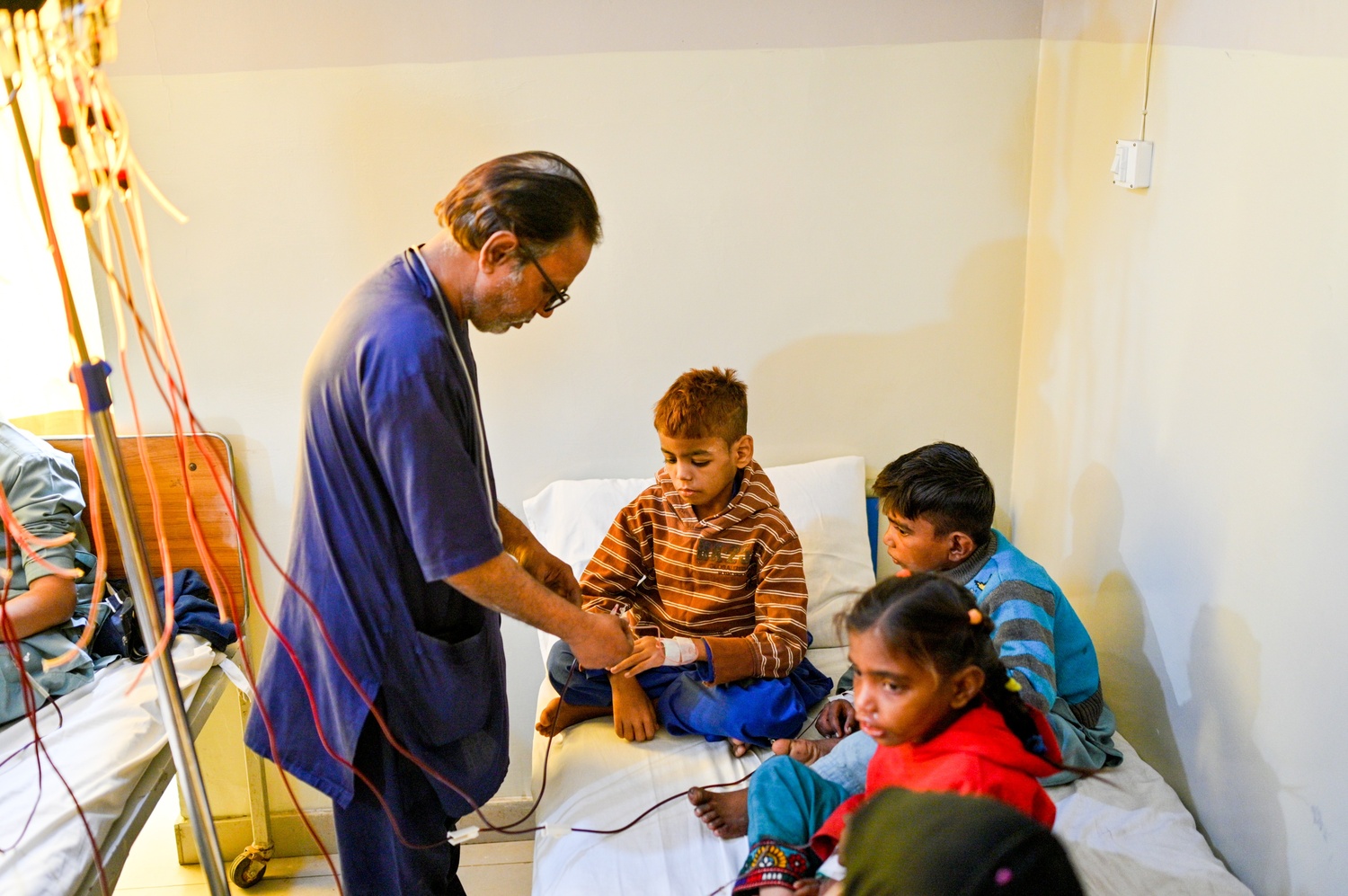
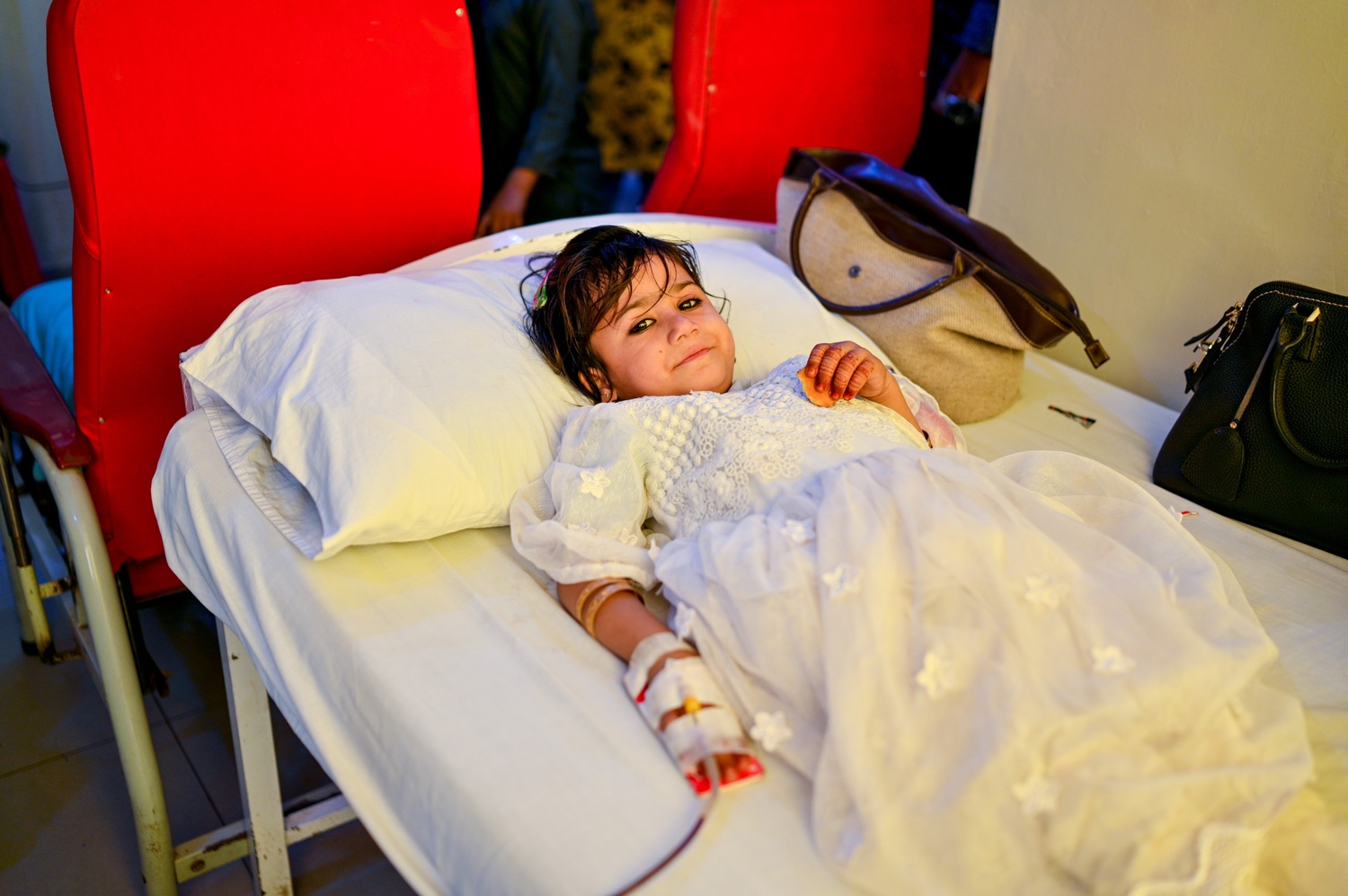
Fatimid Foundation is a non-profit healthcare organization based in Pakistan, primarily focused on the treatment and management of thalassemia and other hereditary blood disorders. Our core work involves providing comprehensive medical care, including regular blood transfusions, iron chelation therapy, diagnostic services, and patient counseling to affected children and families, many of whom come from underserved communities.
We operate through a network of dedicated treatment centers where patients receive free and accessible care. In addition to direct medical support, we work to raise public awareness about thalassemia, promote voluntary blood donation, and offer family screening and genetic counseling to help prevent new cases.
Our aim is to reduce the burden of thalassemia in Pakistan by improving quality of life, increasing life expectancy, and providing a support system for patients and their families—all delivered with a commitment to dignity, transparency, and Sharia-compliant Zakat management.
Core Programs and Services
Fatimid Foundation’s core programs and services are designed to deliver holistic care to thalassemia patients and their families, while promoting prevention and community awareness.
Thalassemia Care & Treatment:
We provide free regular blood transfusions, iron chelation therapy, and diagnostic testing across our network of dedicated treatment centers. Each patient receives individualized care plans, nutritional support, and continuous monitoring to manage the condition effectively.
Genetic Counseling & Family Screening:
Our prevention program offers free family screening and genetic counseling to at-risk communities, helping to reduce the incidence of thalassemia through awareness and early detection.
Blood Donation & Awareness Drives:
We organize regular blood donation camps and community awareness sessions to ensure a sustainable blood supply and educate the public about thalassemia and hereditary disorders.
Facilities:
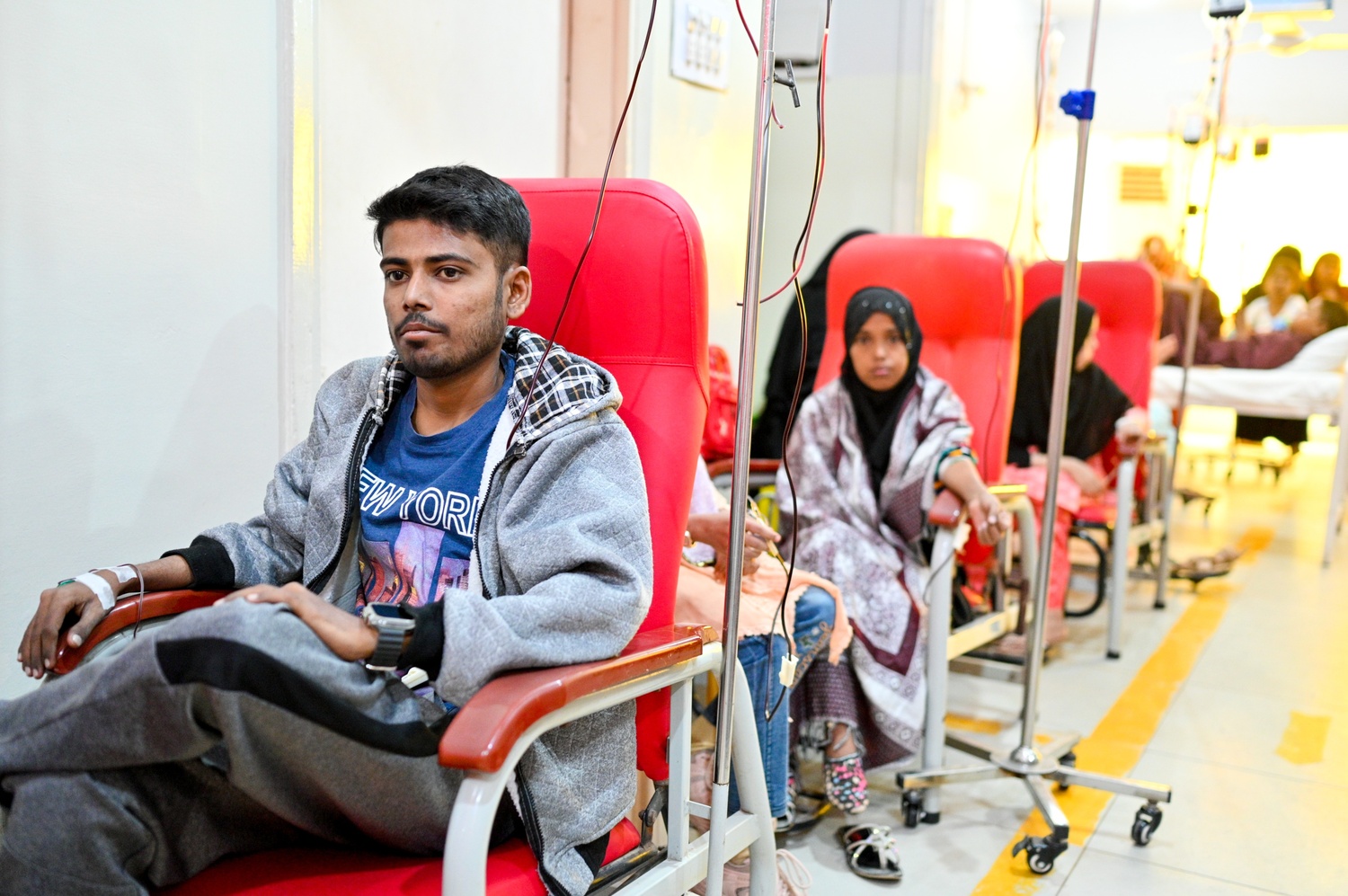
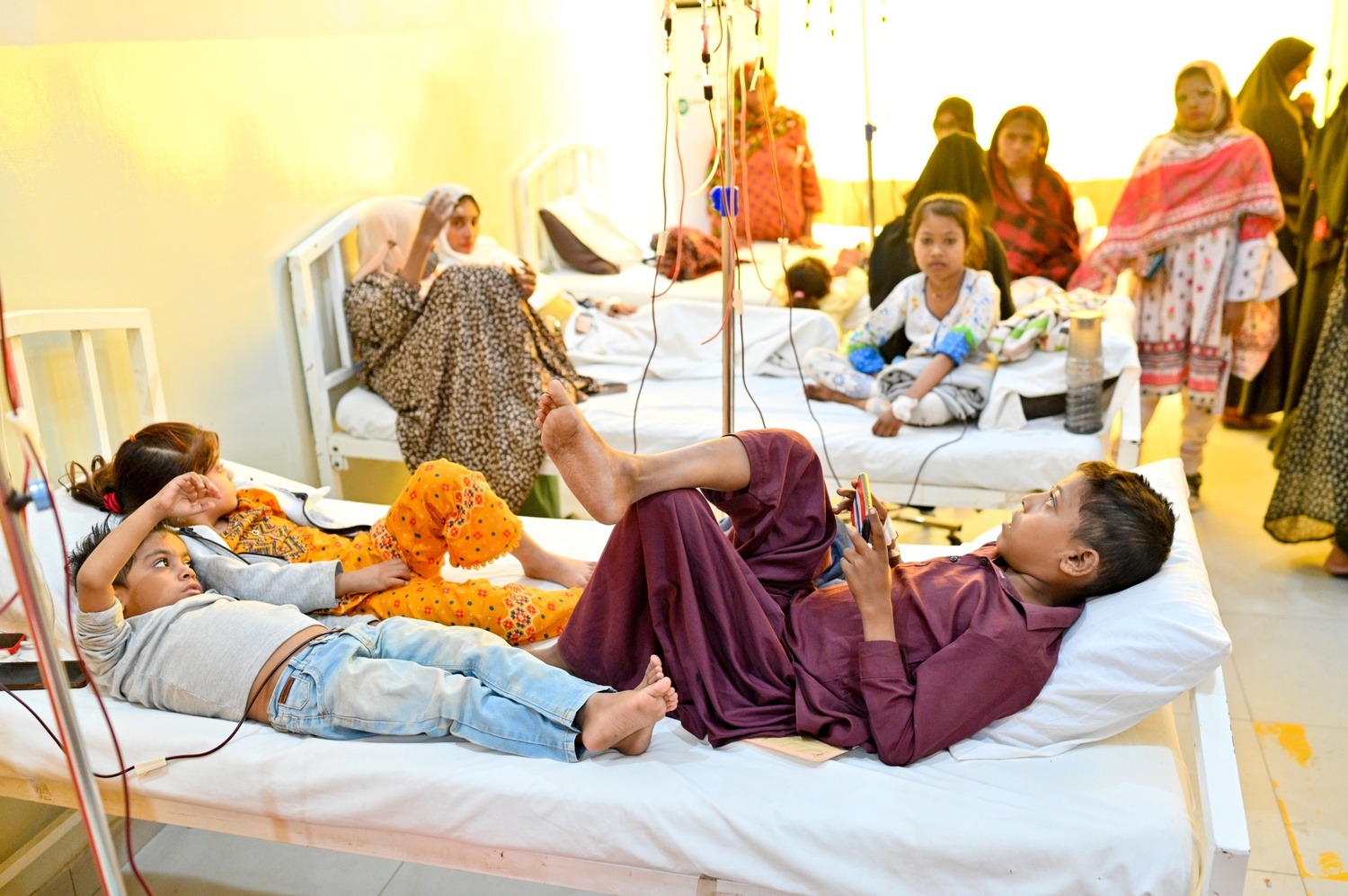
We operate multiple purpose-built treatment centers in key urban areas, equipped with transfusion units, diagnostic labs, and counseling rooms. Our facilities are staffed by trained medical professionals, volunteers, and support personnel committed to patient-centered care.
All services are delivered free of charge, with a focus on accessibility, dignity, and transparency.
Beneficiaries
|
|
What Makes Our Approach Distinct
Our model is unique through its dual reliance on Zakat and medical ethics, ensuring Sharia-compliant, transparent donor trust while delivering free, lifelong care. We integrate prevention with treatment—offering genetic screening alongside clinical services—to reduce disease incidence sustainably. Community ownership is central: local blood donors, volunteers, and families actively participate in awareness and support programs. By operating dedicated treatment centers with in-house diagnostics and counseling, we provide continuous, holistic care under one roof, reducing patient burden and improving outcomes. This ethical, community-embedded approach ensures both financial sustainability and lasting health impact.
Impact Stories
Real Story of Change: A New Dawn for Ahmed R.
Ahmed R., a 10-year-old from Karachi, was diagnosed with Beta Thalassemia Major at age 2. His family struggled financially and could not afford regular blood transfusions or iron chelation therapy, leading to severe fatigue and growth delays.
Upon registering with Fatimid Foundation, Ahmed began receiving free monthly blood transfusions, iron chelation, and nutritional support at our Karachi Centre. Our team also provided his family with genetic counseling and emotional support.
Today, Ahmed attends school regularly, participates in sports, and dreams of becoming a doctor. His health is stable, and his family is actively involved in our donor and volunteer network, advocating for thalassemia awareness in their community.
Ahmed’s journey reflects our commitment to turning diagnosis into hope, and dependency into dignity.