Year of Establishment
1989
Focus Areas
Healthcare
Geographical Areas of Operations
Sindh
About – Brief Overview
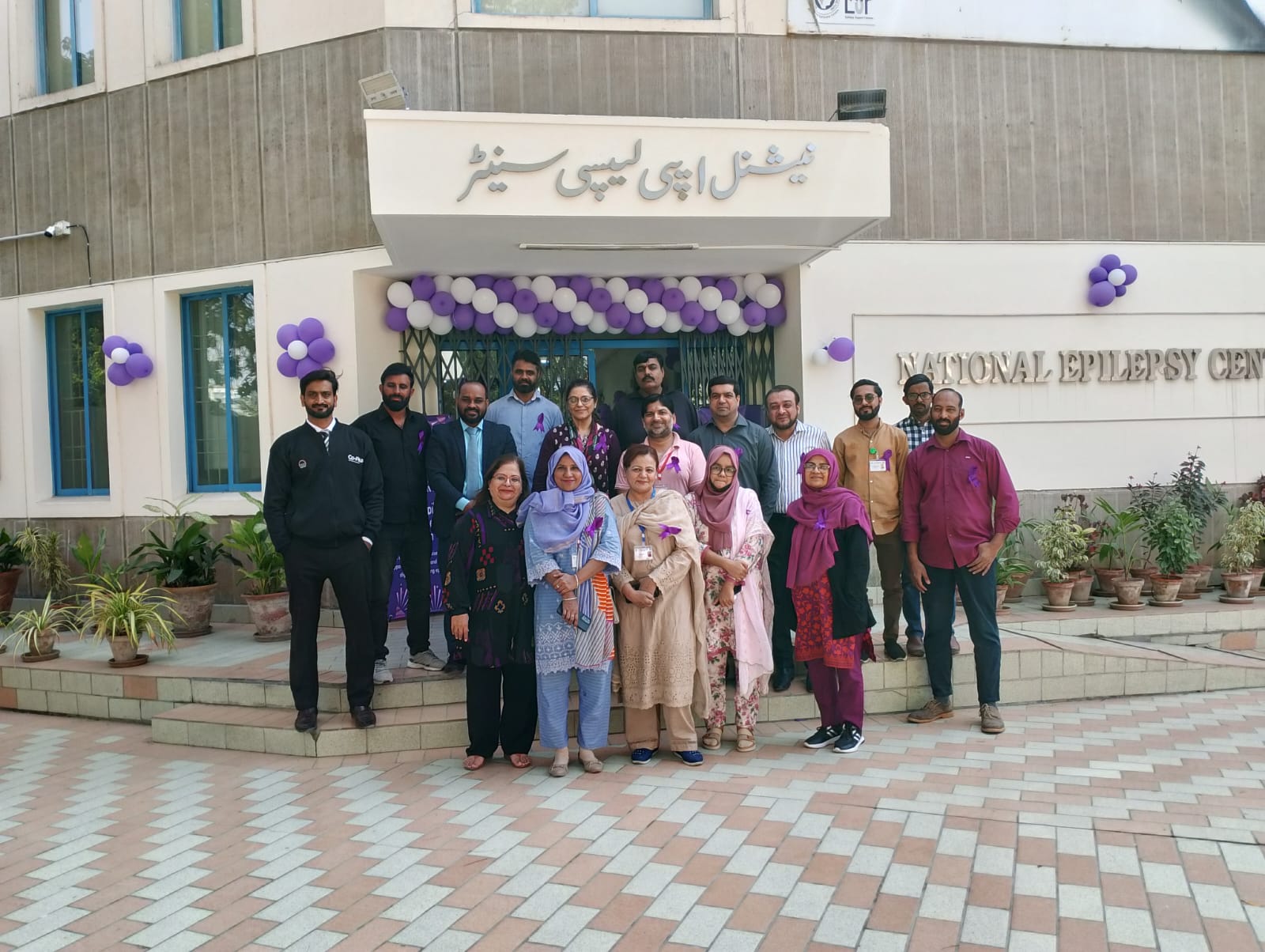
The National Epilepsy Center (NEC) is focused on improving access to care for individuals with epilepsy in Pakistan. Its flagship initiative provides outpatient consultations, diagnostic services, and long-term management for patients, particularly those from underserved communities who have limited access to specialized care. Additionally, NEC ensures access to essential Anti-Seizure Medicines (ASMs) by providing 30 days of free medication to deserving patients, benefiting approximately 95% of the patient pool, thereby supporting treatment adherence, reducing seizure burden, and improving overall quality of life.
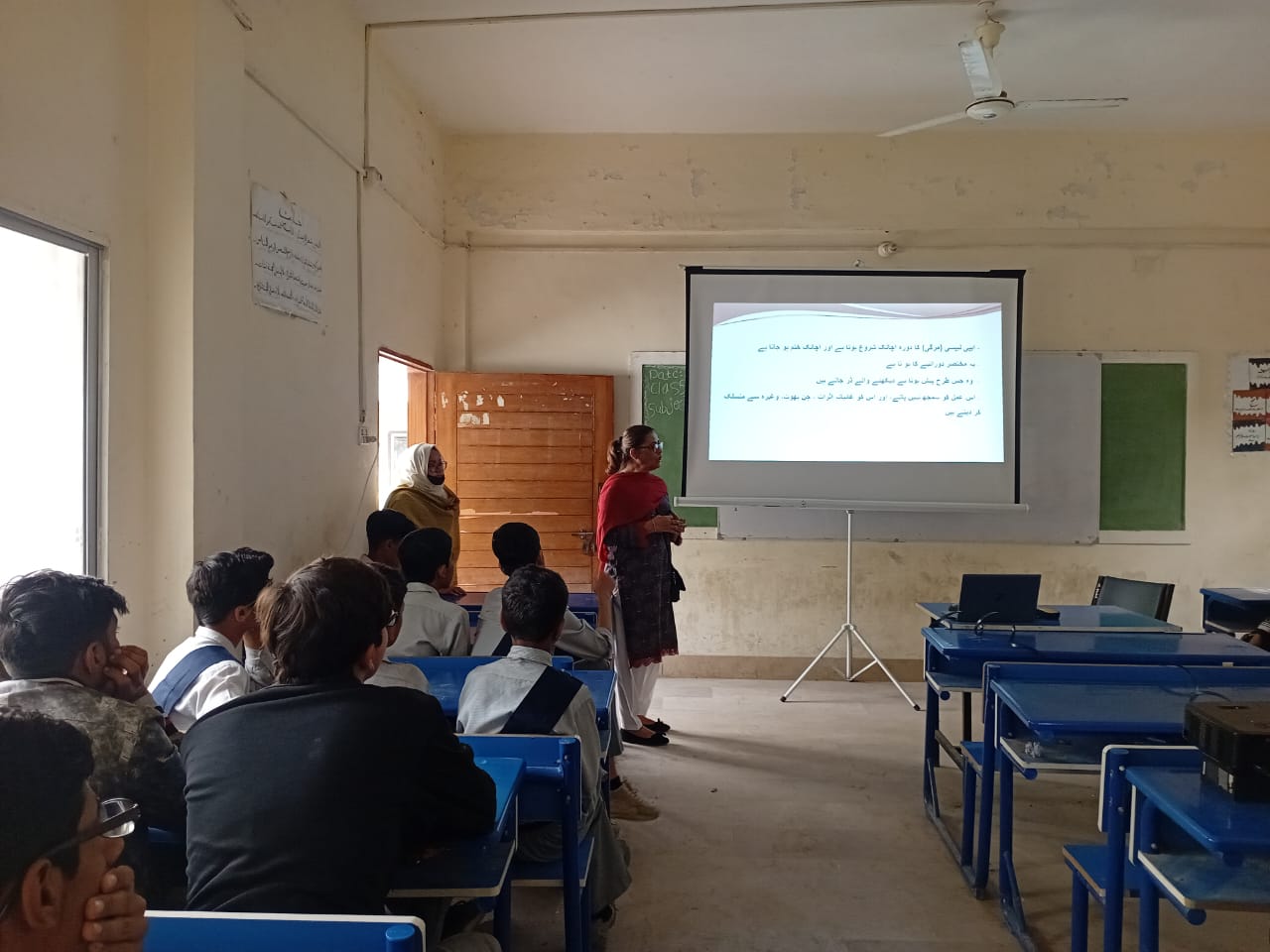
The organization also conducts awareness and education activities to address stigma and misconceptions associated with epilepsy, while supporting patients and families through counseling and guidance. In addition, NRPWF is involved in training healthcare providers and promoting research to strengthen local capacity in neurology services.
Through these efforts, NRPWF aims to reduce the treatment gap in epilepsy, improve patient outcomes, and contribute to a more inclusive healthcare system where neurological conditions are better understood and managed.
Core Programs and Services
Integrated Epilepsy Services includes:
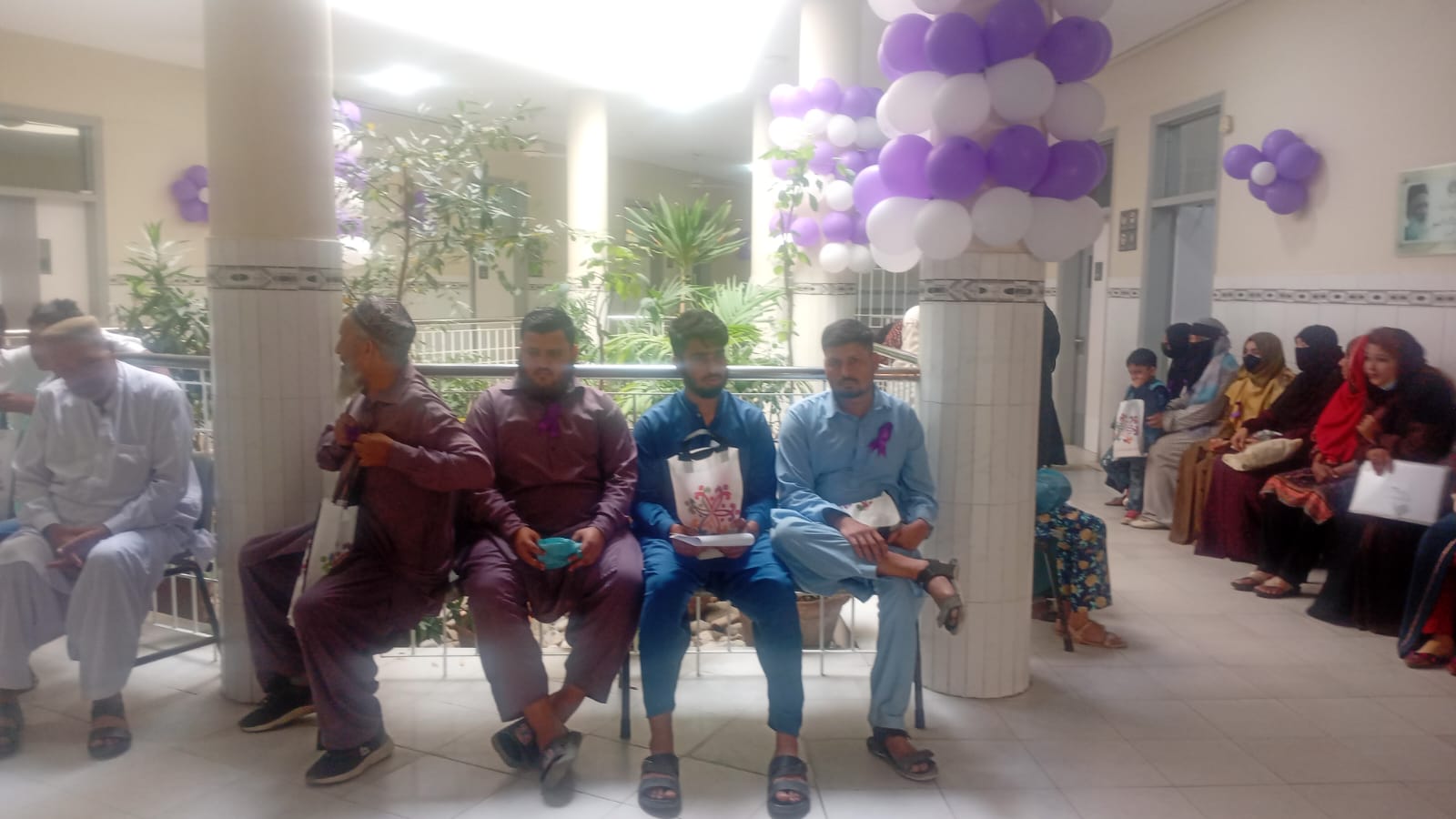
Clinical Services: Through the National Epilepsy Centre, NRPWF provides specialized outpatient consultations for epilepsy and allied conditions. Services include diagnosis, treatment planning, and long-term follow-up care, with an emphasis on affordability and continuity of care and providing 30 days of free medication to deserving patients, benefiting approximately 95% of the patient pool.
Diagnostic Facilities: The Center is equipped with essential diagnostic tools such as EEG with video recording (Electroencephalography) and access to neuroimaging through partner institutions, enabling accurate diagnosis and monitoring of patients.
Patient Support & Counseling: NEC offers counseling services for patients and caregivers to improve treatment adherence, address psychosocial challenges, and reduce stigma associated with epilepsy.
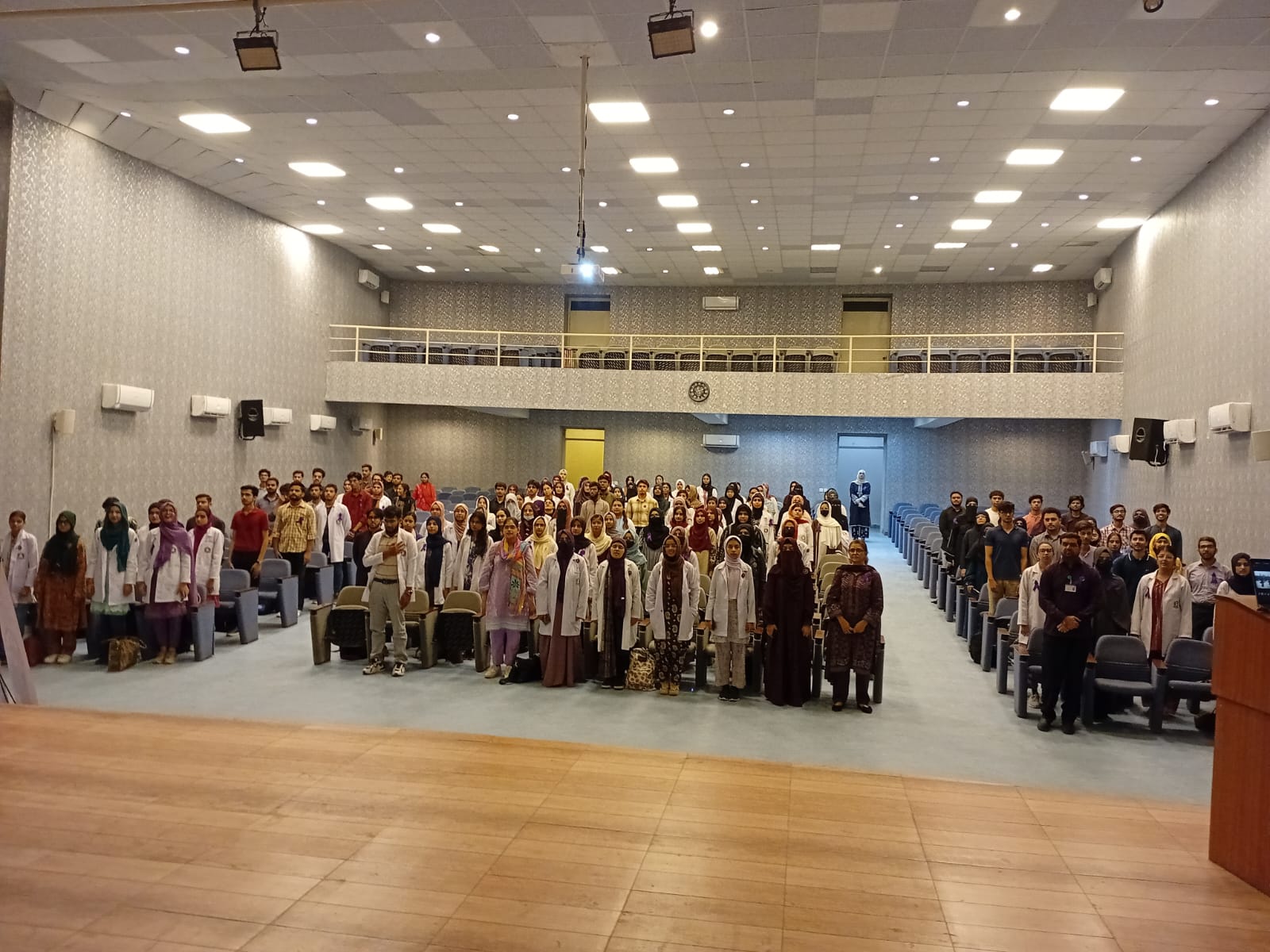
Awareness & Community Outreach: The organization conducts awareness sessions, seminars, and community engagement activities to educate the public about epilepsy and promote early diagnosis and treatment.
Training & Capacity Building: NEC supports the training of healthcare professionals, including doctors, paramedics & technicians, to enhance skills in epilepsy care and strengthen local healthcare systems.
Facilities: The National Epilepsy Centre includes consultation rooms, EEG suites, patient waiting areas, and administrative offices designed to provide a patient-friendly and accessible environment
Beneficiaries
|
|
What Makes Our Approach Distinct
Our integrated epilepsy services under one roof represent a unique model, rarely found worldwide. By combining clinical services, diagnostics, patient counseling, and community awareness within a single center, it offers a continuum of care that is seldom available in the public sector. The model emphasizes capacity-building through the training of local healthcare providers, ensuring long-term sustainability. Partnerships with public institutions, along with a strong focus on patient-centered services, further strengthen community trust and ownership
Impact Stories
Itrat Khan, a 45-year-old female, her 3 siblings and a paternal niece have epilepsy. All are being treated at NEC. Her one sister unfortunately passed away not due to epilepsy but due to dengue. Following her sister’s death, Itrat went into severe depression, refused to take any anti-seizure medicines, and lost the desire to live. She was counselled and to divert her mind and boost her morale she was offered the chance to join NEC as a helper receptionist. She was hesitant in the beginning as she had been dependent on her family and limited to the house because of her epilepsy. With encouragement from NEC doctors and her family, she took a step forward. With the help of NEC staff, she has changed. She is now a confident, hardworking, dedicated permanent member of Team NEC who is no longer dependent on her family. Her other family members with epilepsy are also seizure-free and living a decent quality of life.