
Can pouring buckets of freezing water over your head change the world?
Yes, it can—when it sparks a movement.
In 2014, the Ice Bucket Challenge took the internet by storm, raising over $220 million for ALS research. What made it so effective? It wasn’t just about ice water—it was a masterclass in viral peer-to-peer (P2P) fundraising.
The challenge had three critical ingredients: a clear call to action, social proof, and an easy way for anyone to participate. Today, while digital platforms and strategies have evolved, the principles of successful P2P fundraising remain the same.
Nonprofits and individuals can no longer rely on traditional donation appeals alone. The rise of social media and digital giving means that successful fundraisers follow a tested formula for virality, engagement, and trust. So, what separates campaigns that soar from those that flop? Let’s break it down.
-
Crises Don’t Always Mean Less Giving—If You’re Digitally Agile
A study analyzing nonprofit fundraising during COVID-19 found that while traditional giving declined, social media-based P2P fundraising surged. People didn’t stop donating; they just changed how they gave.
Successful fundraisers adapted quickly by leveraging platforms that made donating, tracking progress, and sharing effortless. The key takeaway? Fundraising isn’t just about the cause—it’s about making giving easy.
-
The Power of the “Micro-Influencer” Fundraiser
Forget celebrity endorsements. The most effective fundraisers aren’t global icons—they’re everyday people with highly engaged, trust-based networks.
Research shows that campaigns thrive when fundraisers connect personally with their circles. Instead of blasting donation links, encourage fundraisers to share why the cause matters to them. Authenticity drives engagement, and engagement drives donations.
-
It’s Not About the Ask—It’s About the Story
People donate because they feel connected, not just because they were asked. Fundraisers who share personal stories receive more engagement and higher donations.
Instead of a generic appeal, make it real: Why does this cause matter to you? How has it impacted your life? Why should others care? Emotional connections turn passive supporters into active fundraisers.
-
Build Trust, Build a Movement
Social capital is the currency of fundraising. The more trust you build with supporters, the more they want to be part of your cause.
- Keep fundraisers in the loop with regular updates.
- Show them their impact.
- Express appreciation.
When supporters feel valued, they’re more likely to donate again and encourage others to do the same.
-
P2P Fundraising is a Long-Term Strategy
The Ice Bucket Challenge wasn’t just a viral trend; its impact was felt for years. The best fundraisers don’t just engage donors once—they turn them into lifelong advocates.
Fact: Donors who fundraise once are far more likely to do it again if nurtured properly. Keeping them engaged means:
- Celebrating their contributions.
- Providing updates on the cause.
- Offering new ways to get involved.
The goal isn’t just raising funds; it’s building a loyal community that will champion your mission for years to come.
The Future of P2P Fundraising
Fundraising is no longer just about asking—it’s about enabling. The best fundraisers make it easy, engaging, and rewarding for participants.
i-Care’s platform is designed to help fundraisers leverage these insights, ensuring every campaign is optimized for success. The organizations and individuals that master P2P fundraising today will shape the nonprofit sector of tomorrow.
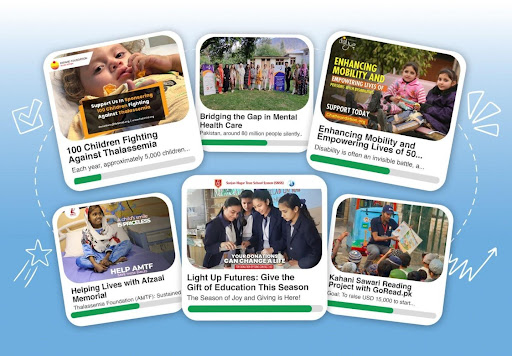
P2P Platforms are an essential fundraising tool for nonprofits.
Ready to turn your cause into the next big movement? Start your P2P campaign today!
Steps to Host a Successful Fundraiser:
✔ Use a seamless fundraising platform like i-Care to make donating and sharing effortless. ✔ Encourage fundraisers to share personal stories and leverage their networks.
✔ Prioritize offline efforts as well—until you take ownership and spread the word, virtual efforts won’t take off.
✔ Keep supporters engaged with updates, appreciation, and opportunities for continued involvement.
Fundraising success isn’t about luck—it’s about strategy. The right tools, storytelling, and partnerships can turn any cause into a movement.
Fundraising success isn’t about luck—it’s about strategy. The right tools, storytelling, and partnerships can turn any cause into a movement.
Research Cited:
Martin, B., & Schlereth, C. (2024). When a Crisis Has a Silver Lining: Social Media P2P Fundraising at the Start of COVID-19. Nonprofit and Voluntary Sector Quarterly, 53(5), 1329-1342.
Hesse, L., & Boenigk, S. (2024). What Makes Peer Fundraisers Successful? Examining Peer‐to‐Peer Fundraising Success in the Context of Peer‐to‐Peer Nonprofit–Business Collaboration. Nonprofit Management and Leadership.
Priante, A., Ehrenhard, M. L., van den Broek, T., Need, A., & Hiemstra, D. (2022). “Mo” together or alone? Investigating the role of fundraisers’ networks in online peer-to-peer fundraising. Nonprofit and Voluntary Sector Quarterly, 51(5), 986-1009.