Ramadan is a month of generosity. A time when charity becomes instinctive, when hearts soften, and when giving feels deeply personal.
But there’s a question we rarely pause to ask: What happens to the story after we give?
For many donors, the journey ends at the moment of donation. A transaction is completed, a good deed is recorded, and life moves on. Yet the real impact of generosity, the part that changes life, begins actually after that moment.
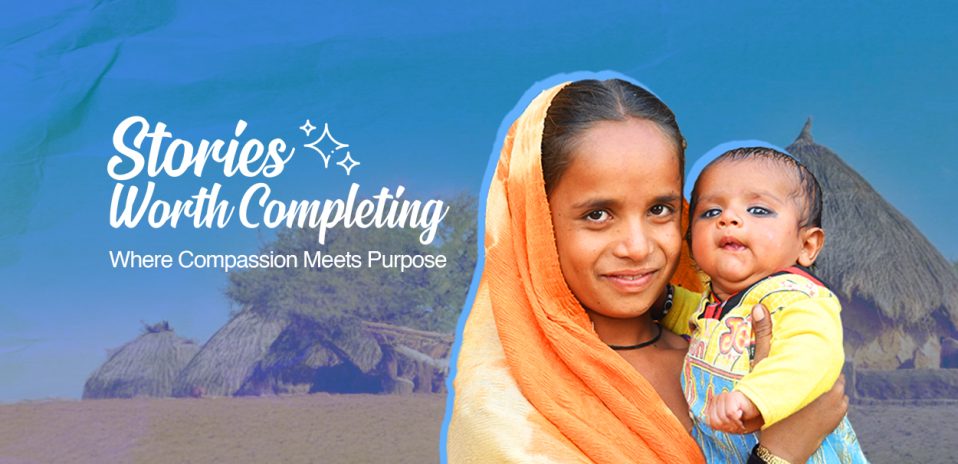
This Ramadan, we’re choosing to shift that narrative. We’re choosing to tell stories worth completing.
From One-Time Giving to Lasting Impact: The Missing Link
Traditional charity communication often relies on urgency. Emotional appeals, disaster relief, Ramadan drives, and viral fundraising campaigns are powerful at triggering immediate action. But research shows this approach has limits when it comes to building long-term engagement.
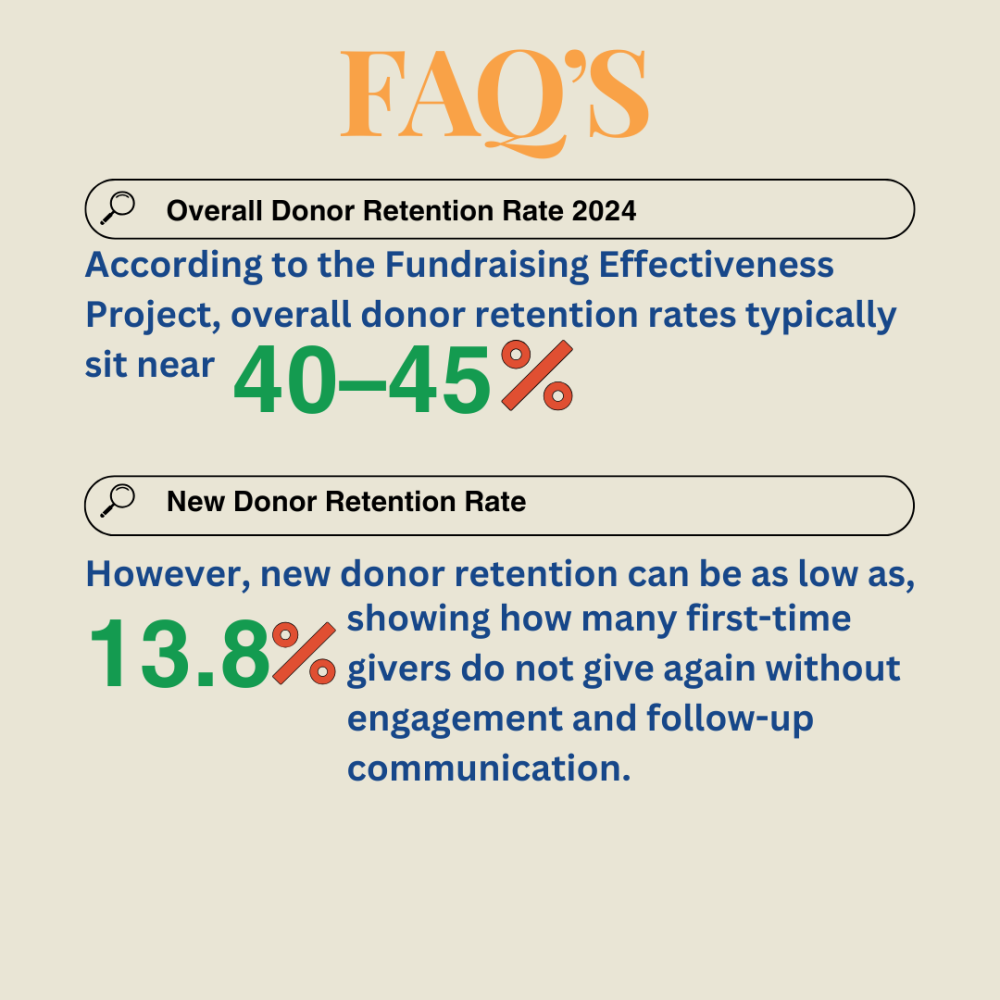
Why does this happen?
Because many people give during emotional moments, but receive little connection afterward. Without impact updates, follow-ups, or transparency, the emotional bridge breaks. Giving becomes transactional rather than relational.
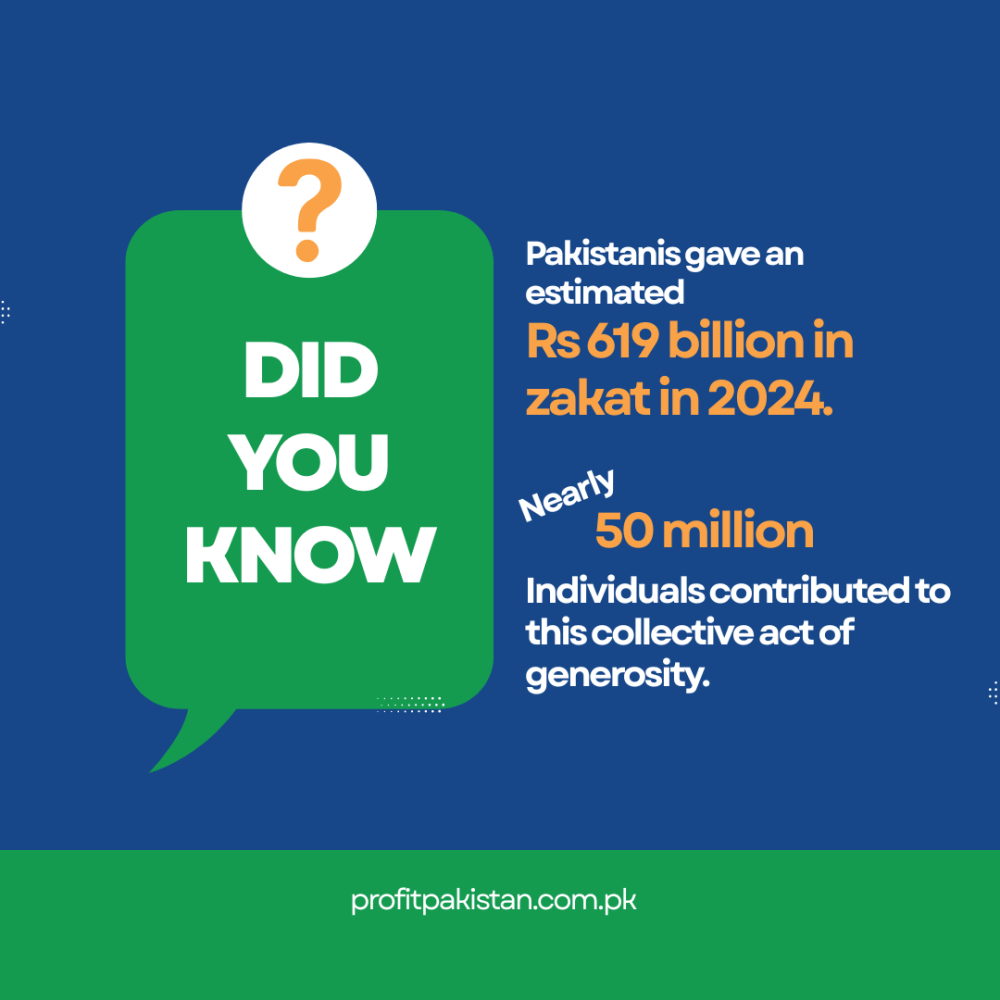
In Pakistan, generosity itself is not the issue.
The challenge isn’t the willingness to give. It’s how giving is sustained.
Why Impact Storytelling Matters More Than Ever
Stories do more than inspire emotion. They create understanding, connection, and accountability.
When donors can see how:
- A ration package stabilized a household
- Zakat helped a child remain in school
- Healthcare support prevented families from falling deeper into poverty
Giving becomes more than charity. It becomes a partnership.
Behavioral philanthropy research shows that emotion motivates the first action, but clarity and outcome visibility drive repeat behavior. When people understand what happened because of their contribution, generosity becomes personal. It becomes meaningful. It becomes repeatable.
This is why storytelling must evolve from crisis-driven appeals to outcome-driven narratives.
Why Stories Retain Donors: The Psychology of Sustainable Giving
Giving begins with emotion, but it continues through meaning.
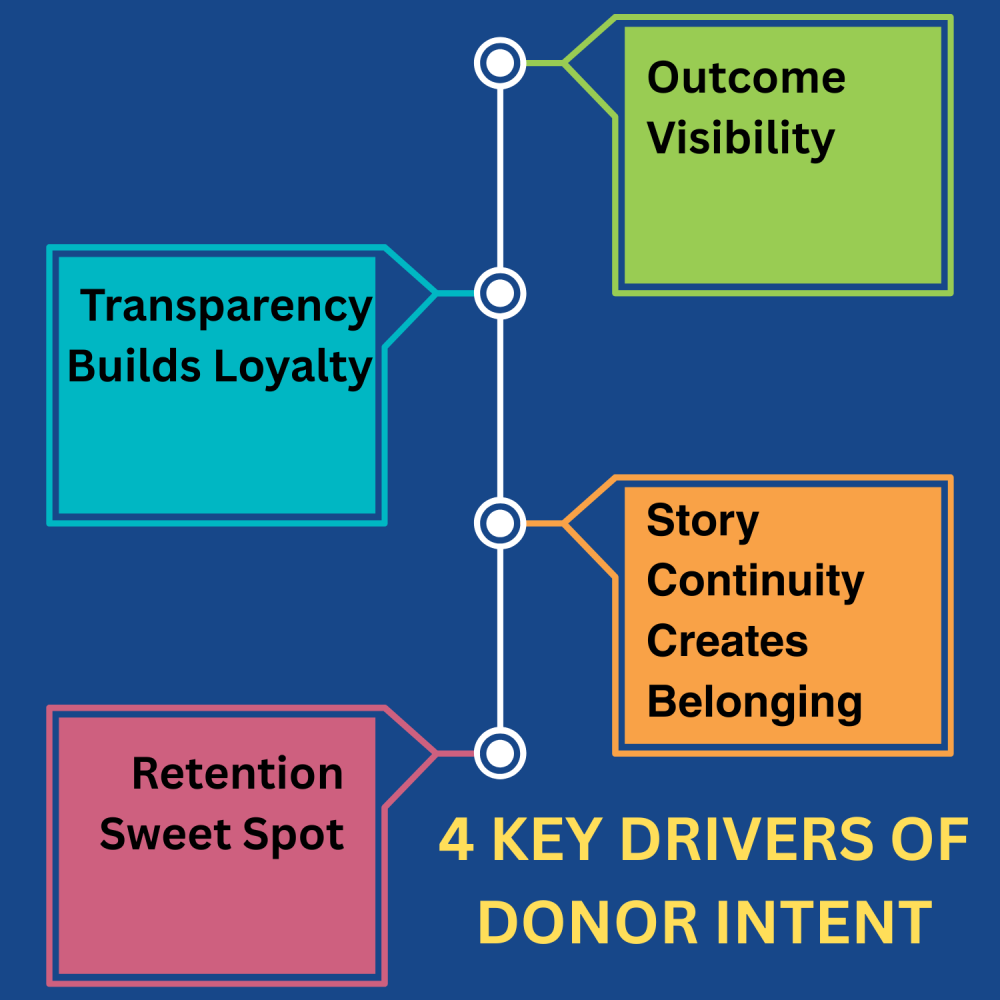
1. Outcome Visibility
Donors stay connected when they can see what changed. Not just: “We distributed aid.”But:
- “Families were supported for an entire month.”
- “Children remained enrolled in school.”
- “Medical costs were prevented from pushing households deeper into poverty.”
This shift from activity reporting to impact storytelling strengthens both emotional connection and credibility.
2. Transparency Builds Loyalty
Studies consistently show that financial transparency and reporting clarity are among the strongest predictors of donor trust. When people know where their money went, how it was used, and what it achieved, they are significantly more likely to give again.
Transparency doesn’t weaken emotion; it strengthens it.
3. Story Continuity Creates Belonging
Many donors disengage not because they stop caring, but because they stop feeling included. When organizations share progress updates, follow-up stories, and outcome reports, donors begin to see themselves as part of a journey, not just contributors. This sense of participation transforms one-time giving into long-term support.
4. Emotional + Strategic Giving Is the Retention Sweet Spot
The strongest donor relationships sit at the intersection of Emotion, which inspires action, and Strategy, which sustains commitment. This is where meaningful generosity lives. It’s not only about responding to need. It’s about staying connected to solutions.
Ramadan: A Time for Intentional Giving
In Islam, Ramadan is not only about increasing charity, but it is also about improving intention, accountability, and impact.
Zakat is a responsibility. Sadaqah is continuous. Both are meant to restore dignity, reduce inequality, and strengthen communities. This makes Ramadan the perfect time to reflect not just on how much we give, but on how we give.
When generosity is intentional, it multiplies not only reward but real-world outcomes.
What “Stories Worth Completing” Truly Means
This theme is not about changing how charity looks. It’s about changing how charity is understood. For us, completing stories means:
- Showing the full journey, not just the crisis
- Highlighting outcomes, not only needs
- Centering dignity over desperation
- Measuring impact instead of assumptions
- Treating donors as partners, not transactions
Every act of giving begins a story. Completing it requires responsibility, transparency, and commitment.
How i-Care Helps Complete These Stories
At i-Care, we work to bridge the gap between generosity and measurable impact. Through partnerships with 150+ verified charities across Pakistan, we ensure that giving is:
Accountable, Transparent, locally implemented, and outcome-driven
Our role is not to replace grassroots organizations but to strengthen them. To connect donors with credible partners. To ensure that generosity translates into real transformation across healthcare, education, livelihoods, and community development.
Because when systems are strong, stories don’t stop at donations; they continue into lasting change.
Your Role in Completing the Story This Ramadan
This Ramadan, your generosity has the power to do more than fulfill an obligation.
It can keep children learning, help families rebuild stability, improve access to healthcare, and strengthen communities
Every thoughtful contribution becomes part of a larger narrative, one that doesn’t end with giving but grows through sustained impact.
When you stay connected to outcomes, you don’t just donate. You participate in change.
Let’s Tell Better Stories. Together. This Ramadan, let’s move beyond one-time generosity.
Let’s ask better questions.
Let’s follow the impact. Let’s value transparency. Let’s choose giving that lasts.
Because the most powerful form of charity isn’t only about opening your hands.
It’s about staying long enough to see the difference you helped create. And those are the stories truly worth completing.