In our recent reflection on Stories Worth Completing, we explored how Ramadan is reshaping the way we talk about giving, moving beyond numbers toward the human lives, futures, and possibilities behind every act of charity. But meaningful storytelling is only the beginning. The next step is intention. Because when generosity... Read More
27 Results
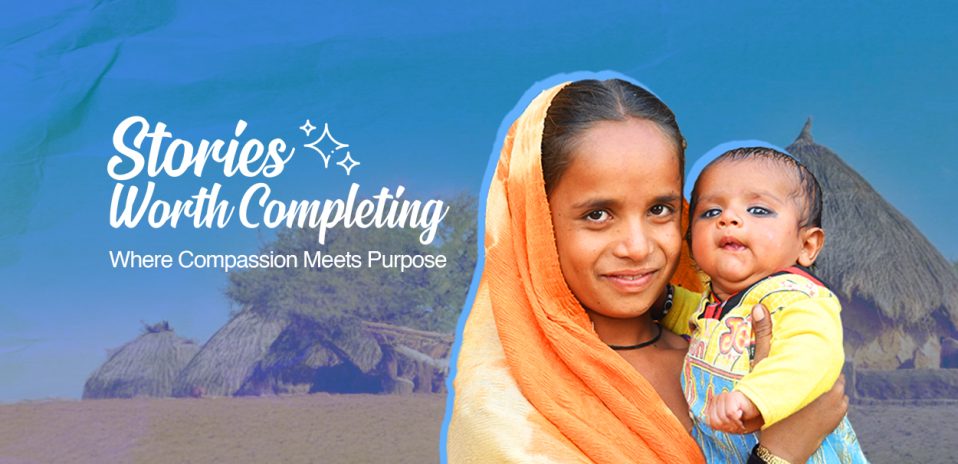
Stories Worth Completing: Why We’re Elevating How We Talk About Giving This Ramadan
Ramadan is a month of generosity. A time when charity becomes instinctive, when hearts soften, and when giving feels deeply personal. But there’s a question we rarely pause to ask: What happens to the story after we give? For many donors, the journey ends at the moment of donation. A... Read More
January 30, 2026

How Does i-Care Vet Charities? Why Due Diligence Matters More Than Ever?
How Does i-Care Foundation Vet Charities? Why Due Diligence Matters More Than Ever? Generosity around the world remains strong, but trust in charities is under pressure. Global donor research shows that 70% of people say trust is essential before donating, yet only around 20% say they highly trust charities. The... Read More
January 15, 2026
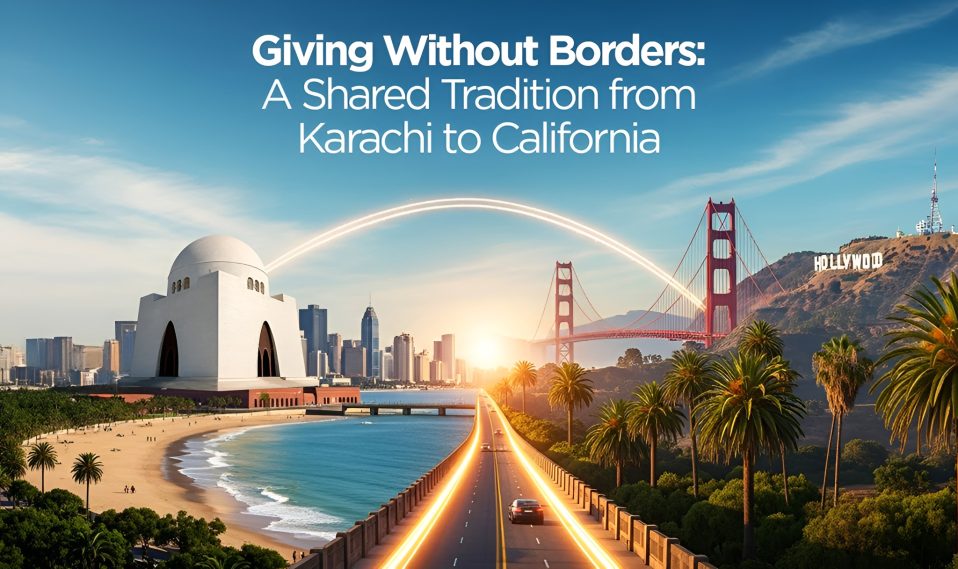
Giving Without Borders: A Shared Tradition from Karachi to California
In a world facing deepening humanitarian crises and economic instability, generosity is often tested.Yet, for Pakistanis, both at home and abroad, giving remains deeply ingrained in everyday life. Whether through Zakat, donations, or quietly helping someone in need, Pakistanis continue to give not as an occasional act but as a... Read More
December 22, 2025
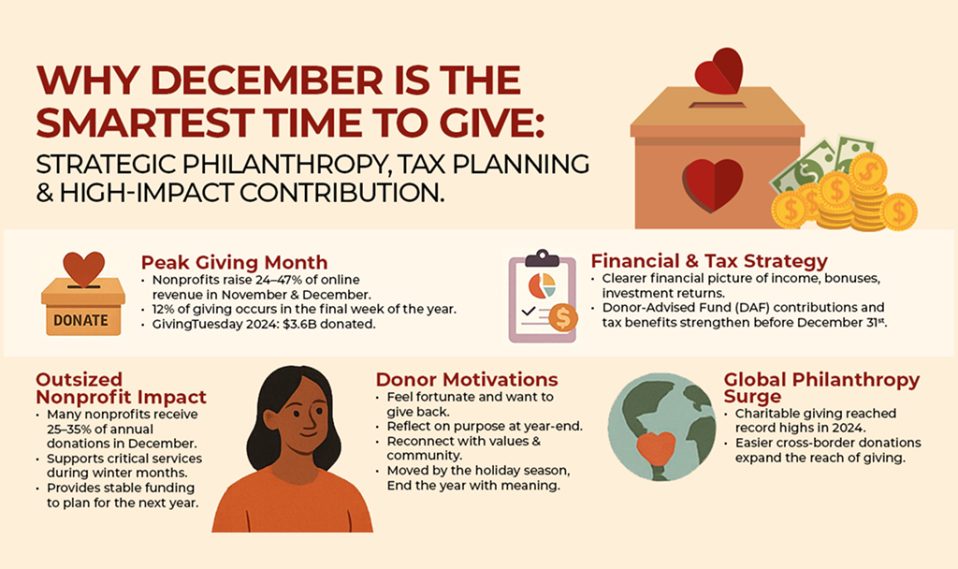
Why December Giving Isn’t Just Generous, It’s the Only Logically Responsible Thing You’ll Do All Year
Every December, generosity rises across the world. Communities gather, families reconnect, and people take stock of a year lived, its achievements, challenges, and moments of gratitude. Yet beyond the emotional significance of the season, research shows that December is also the most strategically powerful month of the year for charitable... Read More
December 8, 2025
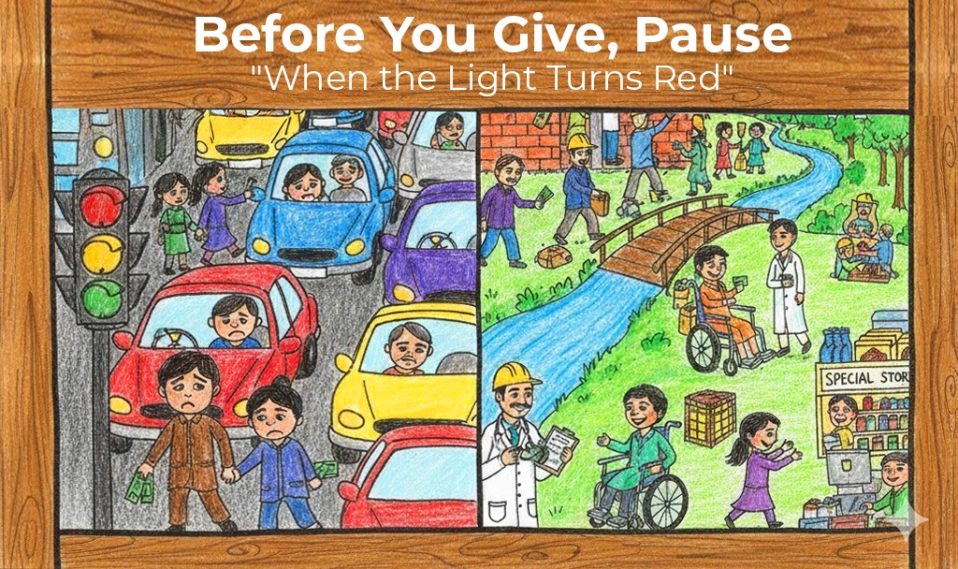
Before You Give, Pause!
When the Light Turns Red The light turns red. You stop. But that’s when they start moving. From every corner, they rush in with tiny feet, tired faces, tapping on windows, weaving through metal and fumes. They come with well wishes for you on their lips, but not for free.... Read More
November 20, 2025
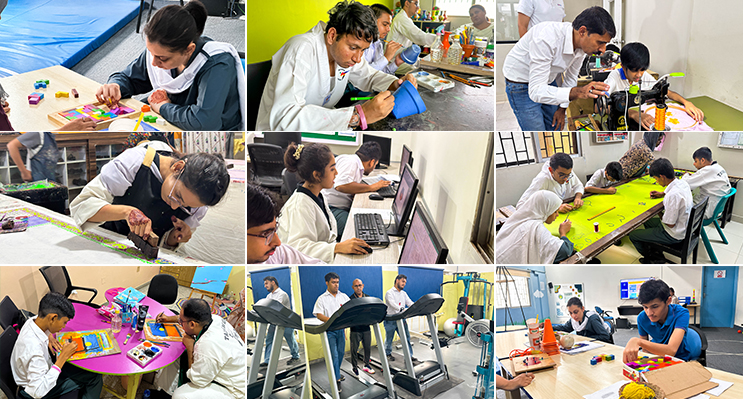
Threads, Tunes, and Transformations—The KVTC Experience
From Trembles to Tunes: The Soulful Harmony of KVTC Calling out all Jal, Vital Signs, Junoon, and Strings fans, meet a band like no other. They may not be better, but they are truly unique. Imagine a child who once trembled at the very sound of noise, now rising as... Read More
September 22, 2025
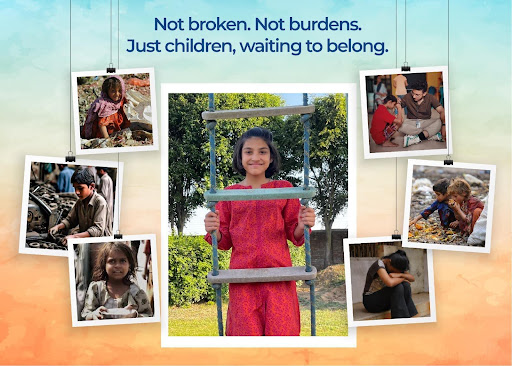
Left Behind, But Not Defeated: Reclaiming Childhood in Pakistan’s Shelter Homes
“There is no keener revelation of a society’s soul than the way in which it treats its children.” — Nelson Mandela Remember the time when you were very young, probably six or seven, when you had a blazing fever that wouldn't go away? Remember the worried look on your mother’s... Read More
July 14, 2025
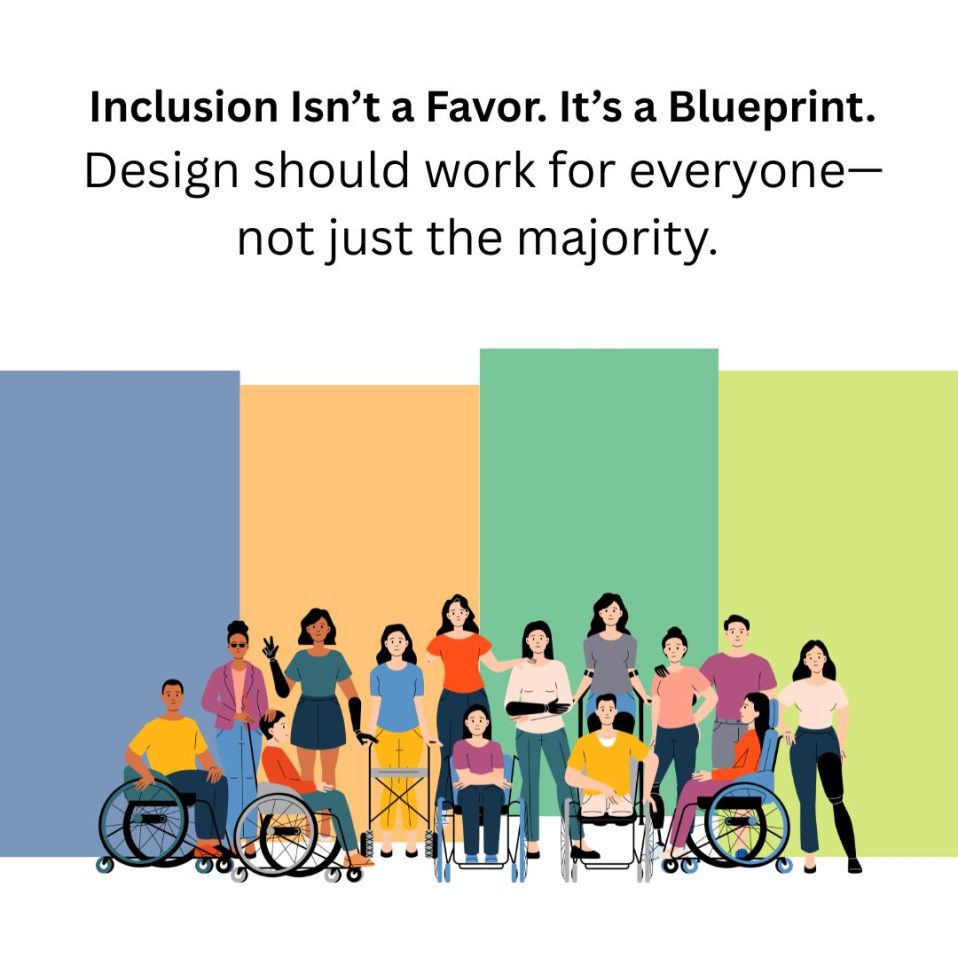
A World Without Barriers: How To Make Inclusion Real for People with Disabilities
“Inclusion isn’t about fitting people into an existing space. It’s about transforming the space, so everyone belongs.” You walk into a building, take the stairs, join a conversation, and sip tea without a second thought. Everything feels natural and effortless. Now, picture Ali. He’s a bright student in a... Read More
June 20, 2025